Complete guide
Seawall inspection
A seawall inspection costs $400 to $1,800. The structure it is assessing costs $15,000 to $60,000 to replace, and fails in ways that are invisible from the top of the wall. That ratio is the entire argument.
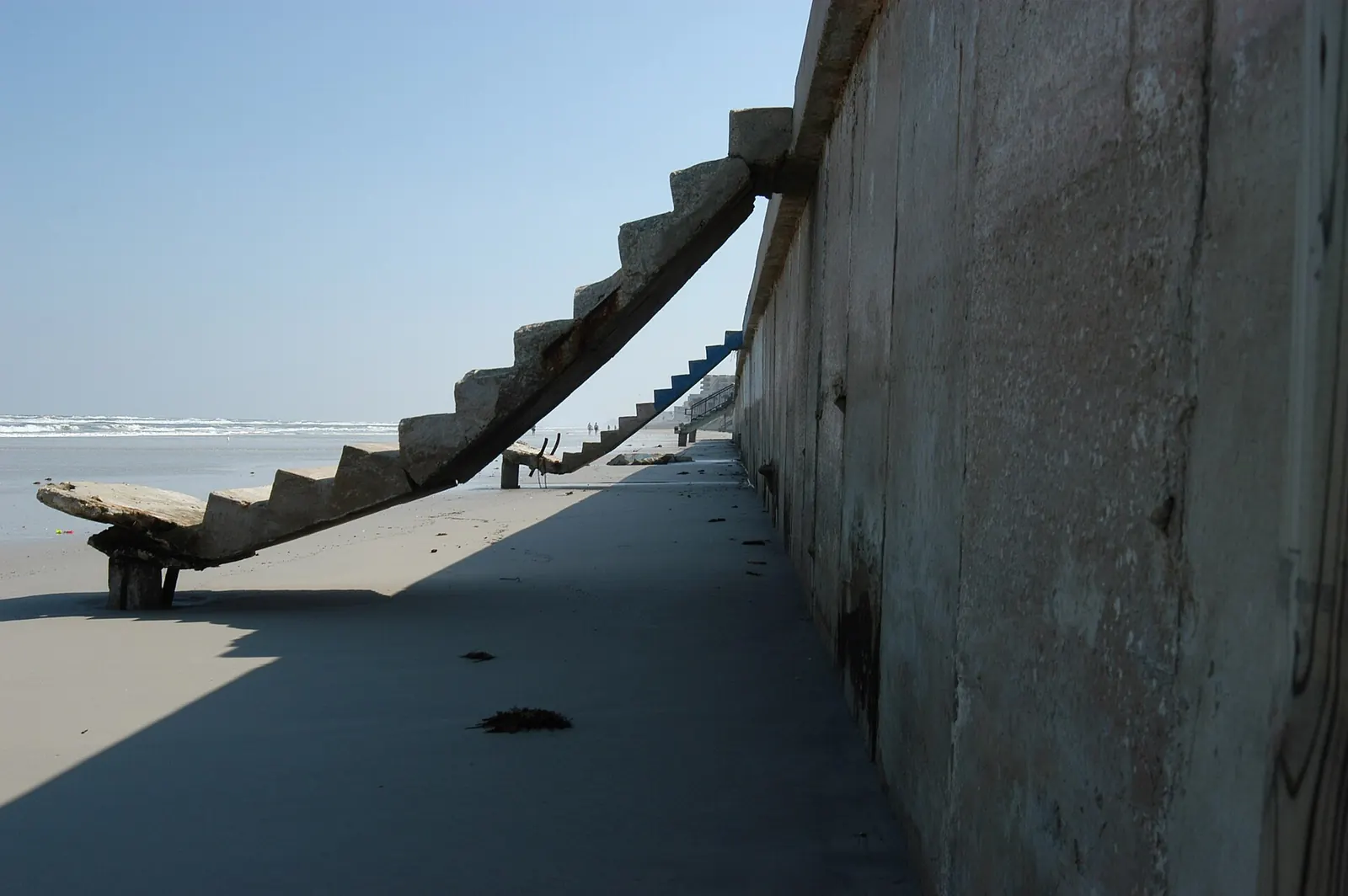
Buying waterfront? Your home inspection almost certainly does not cover the seawall in any meaningful way. Most inspectors note visible condition and explicitly disclaim the structure. On a waterfront property the seawall is often the largest single deferred cost on the parcel, and it sits outside the inspection you paid for.
What an inspection actually covers
The useful parts of a seawall inspection happen behind and below the wall. An assessment limited to what is visible from the yard is not worth commissioning, because the visible face is the least informative surface on the structure.
| Checked | How | Why it matters |
|---|---|---|
| Voids behind the wall | Probe rods or ground-penetrating radar | Soil escaping through joints is the most common failure and produces no visible sign until the lawn drops. |
| Toe scour | Low-water inspection or dive | Undermining at the base is what makes repairs fail repeatedly in the same section. |
| Tiebacks | Probe, records, wall geometry | Presence, spacing and whether the wall has begun rotating. Determines whether a lean is cheap or expensive to fix. |
| Joints and soil migration | Visual, often at low water | The path soil takes when it leaves. Cheap to close, expensive to ignore. |
| Cap condition | Visual and sounding | The cap ties the panel heads together. Separation is structural, not cosmetic. |
| Panel material and condition | Visual, sometimes coring | Establishes what the wall is and roughly where it sits in its service life. |
What it costs
- Visual and probe inspection — $400 to $1,800. The standard assessment. Adequate for routine condition monitoring on a wall with no known problems.
- With GPR or dive assessment — $1,500 to $3,500. Appropriate when there are symptoms, before a purchase, or when a repair quote needs verifying.
- Sealed engineering report — $1,000 to $3,000 additional. Required by most lenders and insurers, and by any legal or permitting process. Produced by a licensed engineer rather than a contractor.
For context, the cost of replacing a seawall starts around $15,000 and commonly reaches $60,000 or more. The inspection is roughly one to five percent of the thing it is assessing.
When to get one
Before buying waterfront property. The single highest-value case. A wall at the end of its life is a five-figure liability that transfers at closing and will not appear in your home inspection. It is also worth asking whether past work was permitted — unpermitted shoreline work can create obligations that follow the property.
When symptoms appear. Soft spots or depressions in the lawn near the wall, pavers settling, a visible lean, soil escaping through joints after rain. These are late signs, and the inspection determines whether you are looking at a $3,000 problem or a $40,000 one.
After a named storm or a hard ice-out. Both for condition and for documentation. If you ever claim storm damage, an insurer will want evidence the wall was sound beforehand.
On a schedule. Every three to five years in known good condition; annually once the wall is past roughly two thirds of its expected life.
The free version, and it is genuinely useful. Photograph the wall from the same three or four fixed positions once a year, at low water if tidal. Seawall failure is slow, and a five-year photo series showing a lean progressing or a joint opening tells you more than any single inspection can. It is also the documentation an insurer or a buyer will ask for.
Who should do it
A marine contractor is cheaper, practical, and knows the local conditions and permitting. The caveat is straightforward: they may also be quoting the repair, so the assessment and the sales proposal come from the same party. That is not disqualifying, but it is a reason to get a second read on anything expensive.
An independent coastal or geotechnical engineer costs more and produces a sealed report. For a purchase decision, a dispute, an insurance claim, or a permit application, the independence and the seal are usually worth paying for.
Either way, ask what diagnostic methods are included before booking. "Inspection" with no probe, no radar and no look at the toe is a walk-along.
What happens after
Most inspections land in one of three places. Sound — monitor. Re-inspect on schedule and keep the photo series. Repairable — act on it. Voids, tiebacks and toe protection are all fixable, and cheaper the earlier they are caught; see seawall repair for what each involves. Past the crossover — plan replacement. Around half of replacement cost, repair stops making sense; the repair cost guide covers that maths.
Seawall repair
What the four failure modes are, what each repair involves, and how long it takes.
Seawall repair cost
Pricing by damage type, with the repair-versus-replace crossover worked through.
Seawall replacement cost
Per linear foot by material, with the permitting costs most estimates omit.
Seawalls, bulkheads and riprap
Choosing between structure types, and the full permit path.
Get seawall inspection quotes near you
Up to three local marine contractors or inspection firms, no cost. Ask each what diagnostic methods are included — probe, radar, toe assessment — before comparing prices.
Common questions
How much does a seawall inspection cost?
A visual and probe inspection typically runs $400 to $1,800. Adding ground-penetrating radar or an underwater dive assessment pushes it to $1,500 to $3,500. A sealed engineering report, which is what a lender or insurer may require, runs $1,000 to $3,000 on top. Against a replacement cost that starts around $15,000 and commonly reaches $60,000 or more, the inspection is the cheapest decision-making information available.
Does a home inspection cover the seawall?
Almost never in any meaningful way. Standard home inspections are scoped to the dwelling, and most inspectors will note a seawall's visible condition and explicitly disclaim it. Nothing behind or below the wall is examined, which is precisely where seawalls fail. On a waterfront purchase the seawall is frequently the single largest deferred cost on the property and it usually sits outside the inspection you paid for.
How often should a seawall be inspected?
Every three to five years for a wall in known good condition, annually once it is past roughly two thirds of its expected life, and after any named storm or unusually hard ice-out. Between professional inspections, photographing the wall from the same fixed positions once a year gives you a change record that a single inspection cannot.
What does a seawall inspector actually look for?
Voids behind the wall, found by probing or ground-penetrating radar. Scour at the toe, checked at low water or by dive. Whether tiebacks are present, at what spacing, and whether the wall has begun to rotate. Joint condition and evidence of soil migration. Cap integrity. Panel condition and material type. The visible face is the least informative part of the assessment.
Do I need an inspection before buying waterfront property?
It is strongly advisable and routinely skipped. A seawall at the end of its life is a five-figure cost that transfers to you at closing, and it will not appear in a standard home inspection. A specialist inspection is a small fraction of that exposure and gives you either reassurance or a negotiating position. It is also worth asking whether past work on the wall was permitted, since unpermitted shoreline work can create obligations for a future owner.
Who performs seawall inspections?
Marine contractors, coastal or geotechnical engineers, and specialist marine inspection firms. A marine contractor's assessment is typically cheaper and practical, though it comes from someone who may also quote the repair. An independent engineer costs more and produces a sealed report, which is what lenders, insurers and legal proceedings usually require. For a purchase decision the independence is generally worth paying for.