2026 cost guide
Bulkhead cost
Bulkheads run $150 to $650 per linear foot installed, putting most residential projects between $12,000 and $50,000. A bulkhead holds soil back; a seawall fights waves. Same trade, same crews, meaningfully different engineering — and paying seawall prices for bulkhead conditions is a common and expensive mistake.
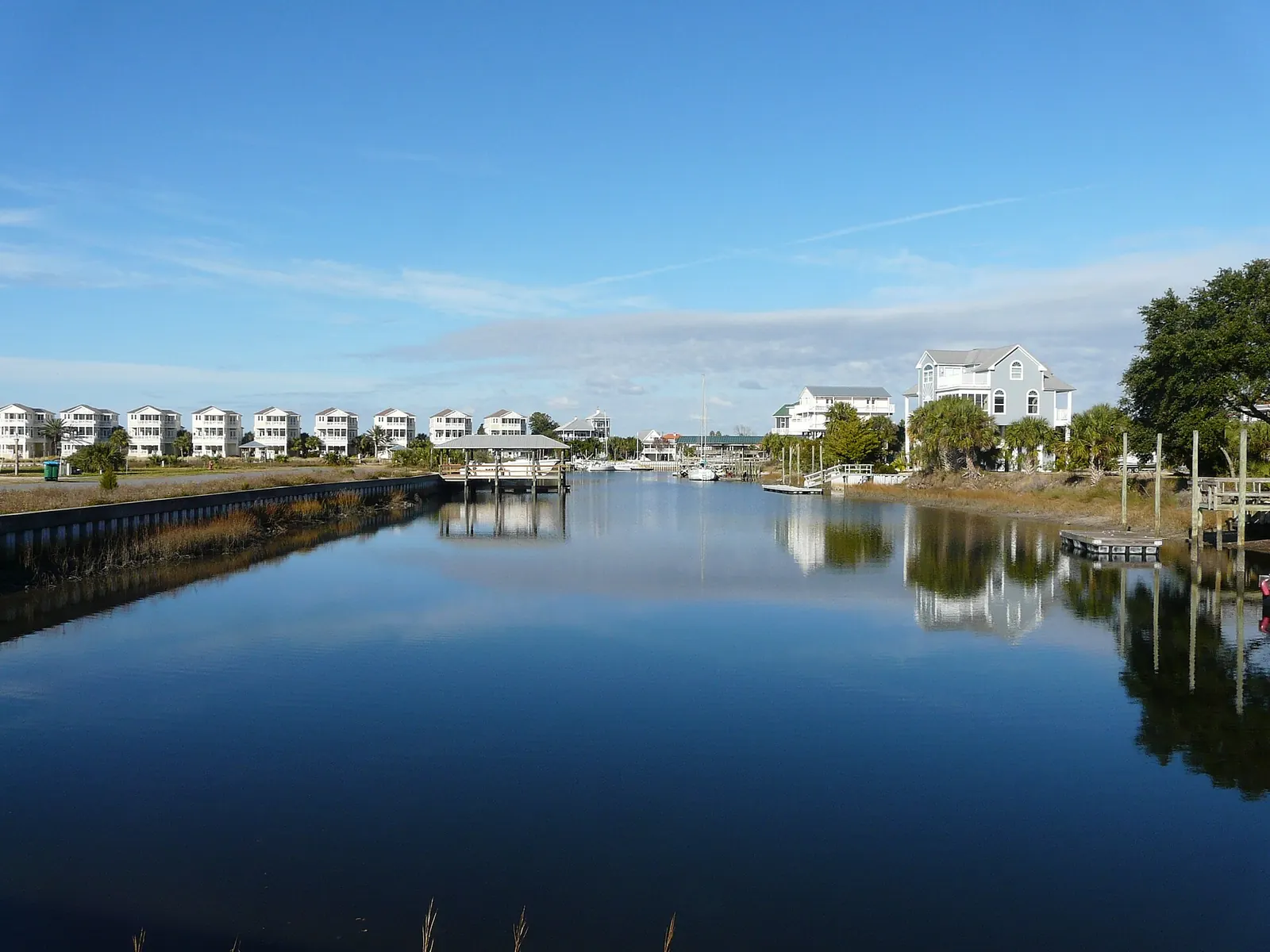
A 100-foot vinyl bulkhead replacement on a canal or protected lakefront runs roughly $19,000–$63,000 with the old structure removed, tiebacks and permitting included; the middle of that band is where most jobs actually land. Timber is cheaper up front and shorter-lived; in saltwater, marine borers make that trade worse than it looks.
Estimate your bulkhead
| Line item | Low | High |
|---|
Bulkhead construction: what you are paying for
Bulkhead pricing follows the same shape as seawall pricing — fixed mobilisation plus a per-foot rate — but the sections are lighter, the embedment is shallower and the whole job is correspondingly cheaper.
| Line item | Typical range | Notes |
|---|---|---|
| Mobilisation and equipment | $2,000 – $15,000 | Excavator and vibratory hammer; barge if needed. |
| Sheet pile or timber | $45 – $200 / ft | Vinyl, composite, timber or steel. |
| Driving and installation | $70 – $250 / ft | Shallower embedment than a seawall on the same lot. |
| Tieback anchors and whalers | $35 – $110 / ft | Required on nearly anything over 3 to 4 ft exposed. |
| Cap | $50 – $160 / ft | Concrete or timber. |
| Filter fabric and drainage stone | $12 – $40 / ft | Non-negotiable behind any soil-retaining structure. |
| Permits, survey and engineering | $1,200 – $7,000 | Generally lighter than coastal seawall permitting. |
| Removal and disposal of old structure | $30 – $110 / ft | Treated timber is regulated waste. |
Scope tiers
Bulkhead replacement cost sits in the middle band for most canal and protected-water lots. New bulkhead construction on an open bank with nothing to remove lands in the first.
Light residential
Under 75 ft, under 3 ft exposed, timber or vinyl, land access.
Inland lake or pond bank, low energy, no wave exposure.
Standard replacement
100–150 ft, 3–5 ft exposed, vinyl, tiebacks, cap, old structure removed.
Canal and protected-water lots. The typical job.
Tall or engineered
Over 5 ft exposed, steel or concrete, barge access, sealed structural design.
Tall banks, marina edges, anything carrying a surcharge load behind it.
Bulkhead cost per linear foot
Installed pricing runs $150 to $650 per linear foot: treated timber $150–$350, marine-grade vinyl $200–$450, composite $220–$500, steel sheet pile $300–$600 and cast-in-place concrete $350–$650. Replacement adds roughly 10 to 25 percent over new construction depending on whether the old structure is removed or left in place as backing. Vinyl has become the default residential choice not because it is cheapest but because it does not rot, rust or feed marine borers, which removes the three failure modes that shorten the alternatives.
How region changes the number
Labor is most of this cost, so metro wage rates move the total more than materials do. Apply these against the national range above.
| Region | Adjustment | Example metros |
|---|---|---|
| South Florida & the Gulf | $250 – $700 / ft | Layered permitting (state ERP, coastal control line, USACE), manatee work windows, barge access common. |
| Texas & Louisiana Gulf coast | $150 – $450 / ft | Deepest bench of marine contractors in the country; competitive pricing, soft soils, deep embedment. |
| Chesapeake & Mid-Atlantic | $200 – $550 / ft | Timber and vinyl bulkheads dominate; state tidal-wetlands review adds weeks, not usually dollars. |
| Great Lakes | $200 – $600 / ft | Ice loading drives heavier sections and deeper toes than wave height alone would suggest. |
| Pacific Northwest & California | $300 – $900 / ft | The hardest permitting in the country. Washington treats bulkheads as a last resort and pushes soft-shore alternatives; Oregon bars beachfront protective structures where development post-dates 1 January 1977. |
| Inland lakes & reservoirs | $120 – $350 / ft | Lowest energy and lowest cost, but lake associations and drawdown windows control the schedule. |
What drives the price up
- Exposed height, which sets the section and the anchor spacing. The jump from 3 feet to 6 is not linear — soil pressure rises with the square of height.
- What is behind the wall. A lawn is one load case; a driveway, pool deck or building footing within the failure wedge is a different and much more expensive one.
- Water chemistry. Brackish and salt water eliminate untreated timber and shorten galvanised steel. Fresh water opens up cheaper options honestly.
- Whether the old structure comes out. Driving new sheet in front of the old bulkhead is common, legitimate and cheaper — but it moves the structure waterward, which can be a permit issue.
- Drainage behind the structure. Weep holes and filter fabric are what stop hydrostatic pressure building up. Their absence is the most common design fault in older bulkheads.
- Access, as always. Land, restricted or barge is decided by your side yard.
Is a DIY bulkhead realistic?
For a low bank on a small private pond outside jurisdictional water, a short timber bulkhead is within reach of a capable owner with an excavator — materials run $40–$90 per foot. Everything about that sentence is doing work, though. Anything on a lake, river, canal or tidal water is regulated, anything over about three feet of exposed height needs engineered tiebacks, and sheet pile has to be driven to depth rather than set in a trench. The common DIY failure is not the wall falling over — it is a wall built without filter fabric and weeps, which holds fine for two seasons and then bulges as water pressure builds behind it with nowhere to go.
Reading a quote
Get three. Quotes on identical bulkhead work routinely vary by 40 percent, and the spread is usually scope, not margin — one bid includes something the others excluded.
Check specifically for:
- Is the new structure going in front of the old one, or replacing it in the footprint? This has permit consequences as well as cost consequences.
- Tieback spacing and length, stated.
- Weep holes and filter fabric, itemised. The cheapest thing on the quote and the one most predictive of how long the structure lasts.
- Is toe riprap included? On any bank with current or boat wake, it should at least be discussed.
- Disposal of treated timber. Regulated waste, and a real line item.
- What happens to the irrigation, lighting and pavers that run along the bank.
Common questions
What is the difference between a bulkhead and a seawall?
A bulkhead retains soil — it holds a bank up in relatively calm water. A seawall is engineered to absorb and deflect wave energy. The terms are used interchangeably in the trade and often regionally: much of the Gulf and Chesapeake says bulkhead where Florida says seawall. What matters is the engineering, and a structure designed for soil retention will not survive direct wave exposure.
How much does bulkhead replacement cost?
$150 to $650 per linear foot installed, or roughly $22,000–$48,000 for a typical 100-foot vinyl replacement including removal of the old structure. Replacement runs about 10 to 25 percent above new construction, with the spread depending on whether the old bulkhead is demolished or left in place behind the new one.
How long does a bulkhead last?
Marine-grade vinyl 40–50 years or more, composite 30–50, steel 25–40 in fresh water and less in salt, treated timber 15–30 in fresh water and as little as 10 in warm salt water where marine borers are active. Tiebacks and backfill usually govern the real service life rather than the sheet material.
Can a new bulkhead go in front of the old one?
Yes, and it is common practice — it avoids demolition, avoids disturbing backfill, and the old structure acts as backing. The catch is that it moves the structure waterward, typically by 12 to 18 inches. Some jurisdictions permit that as in-kind replacement and some treat it as new encroachment, so it is a question to settle before the quote, not after.
Do bulkheads need tiebacks?
Nearly always above about three to four feet of exposed height. Below that, a well-embedded sheet can work as a cantilever. Above it, soil pressure will rotate an unanchored wall outward over time — slowly enough that it looks fine for years and then does not.
Is a bulkhead cheaper than a seawall?
For the same length, generally yes, because bulkheads are built for lower energy: lighter sections, shallower embedment, simpler engineering. The saving is real only if the site genuinely is low-energy. Building bulkhead-grade structure on wave-exposed shoreline is the most expensive way to save money in this trade.
What permits does a bulkhead need?
Typically a federal authorisation for work in navigable water — commonly Nationwide Permit 13 for bank stabilisation — plus a state environmental or tidal-wetlands permit and a local building permit. Several states run joint or programmatic permits that combine the federal and state steps. In-kind replacement in the same footprint is the fastest path through all of it.
Related costs
Seawall vs bulkhead
Which structure your shoreline actually needs, and why the answer changes the price.
Seawall inspection
What an inspection covers and why it is the cheapest decision you can buy here.
Seawall cost
New build and full replacement, priced per linear foot by material.
Riprap cost
Rock revetment by the ton and by the foot, and why most failures are sizing failures.
Seawall repair cost
Tiebacks, void filling, cap and panel work — and when repair stops being worth it.
French drain cost
Yard, foundation and interior drainage, priced by linear foot.
Get quotes from bulkhead contractors near you
Up to three local contractors, no cost. Worth doing as a sanity check against the estimate above.